
New Whatcom County Taxes for 2027: Every Tax and Fee, Town by Town
By Tommy Mutchler — Real Estate Agent, Managing Broker, Real Broker LLC, Whatcom County WA
What new taxes are coming to Whatcom County in 2027? As of Nov. 17, 2026, the biggest is a proposed countywide ferry tax of 9 cents per $1,000 of value, about $45 a year on a $500,000 home, along with a proposed 48% jump in the county's flood tax, and the county council takes both up on Nov. 24. On top of that, the fire tax jumps in Blaine and Birch Bay, utility, garbage and stormwater bills go up in several towns, and Bellingham dropped its proposed fire tax and now has to cut its budget. Below I go through all 20 changes, what each one costs on a typical home, and when it gets decided.
As of Nov. 17, 2026. Every fact below was checked against the named source. I use the same words the records do: proposed, adopted, passed or failing. Election results stay unofficial until the county certifies them on Nov. 24, and several of these change after the county council votes that same day. The dollar amounts per home are examples at a set value, not anyone's actual bill.
1. A new countywide ferry tax: about $45 a year on a $500,000 home
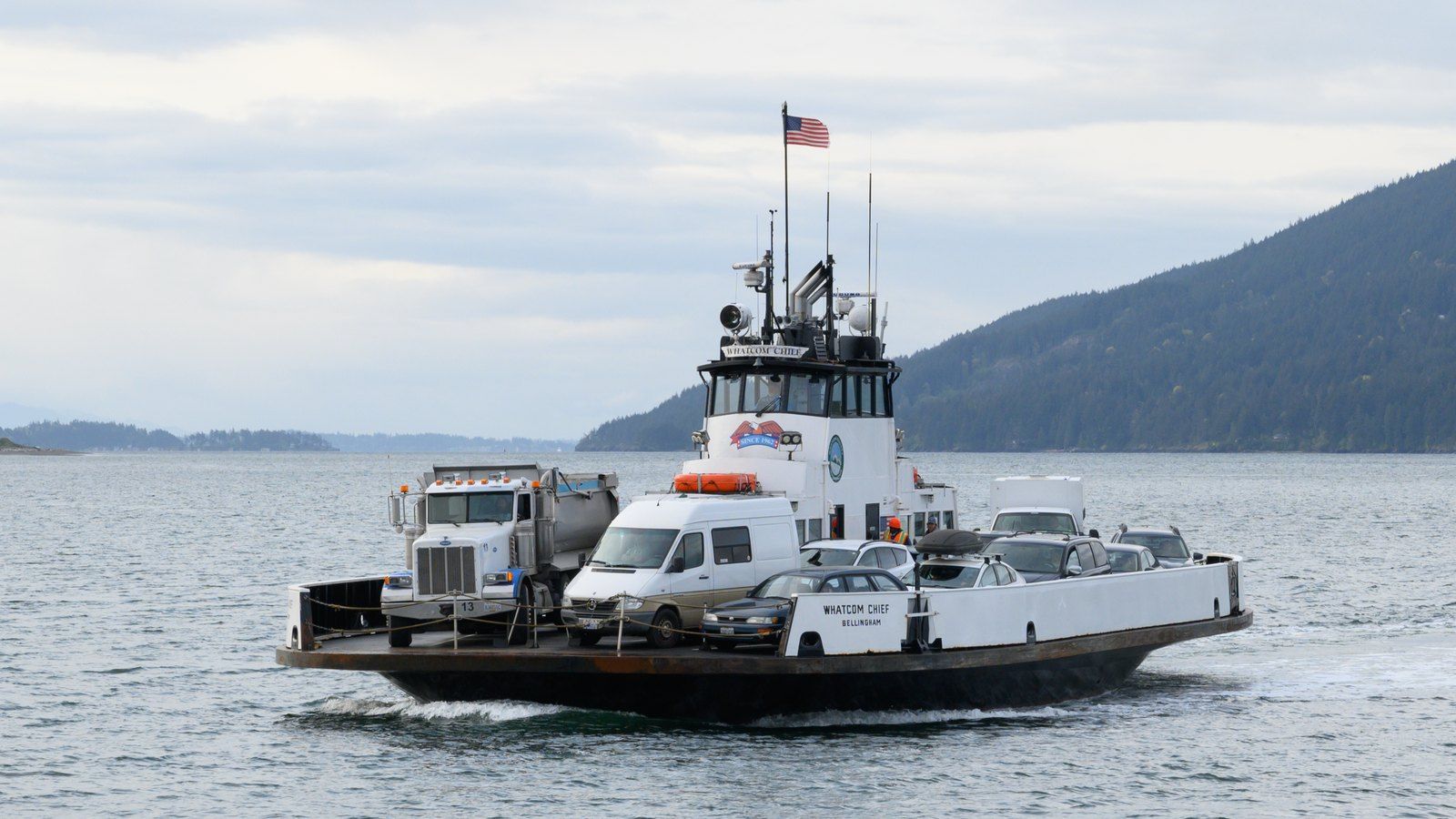
Photo: Gordon Leggett, CC BY-SA 4.0, via Wikimedia Commons (cropped). Arriving at Gooseberry Point, April 2022.

If you've ever been out to Lummi Island, you've probably taken the county's little car ferry, the Whatcom Chief, from Gooseberry Point. For years, the county road fund paid most of the ferry's costs, and only property owners outside the cities pay into the road fund (Cascadia Daily News, July 28, 2026). So this summer, the county set up a countywide ferry district (Whatcom County Council newsletter, Nov. 2, 2026). Now it wants every property in the county to pay a small tax for the ferry, inside the cities too.
The proposed rate is 9 cents for every $1,000 of assessed value. That's about $45 a year on a $500,000 home and about $68 on a $750,000 home (our math). It would raise $5.7 million in 2027 (Whatcom County Council, AB2026-813). Part of that runs the ferry, and the rest gets saved for a new boat and terminal work (county ferry budget memo, Oct. 28, 2026). The new ferry project is expected to cost about $54 million (Cascadia Daily News).
Here's the part that surprises people: under state law, a ferry district can charge up to 10 cents per $1,000 without a public vote, so this one doesn't go on the ballot (AB2026-813, citing RCW 36.54.130). It's proposed, and the county council takes it up on Nov. 24, 2026.
What it means for you: if this passes, it's a new line on just about every property tax bill in the county, in Bellingham, Ferndale, Lynden and Blaine as well as the rural areas.
2. Bellingham dropped its fire tax, and now it has to cut
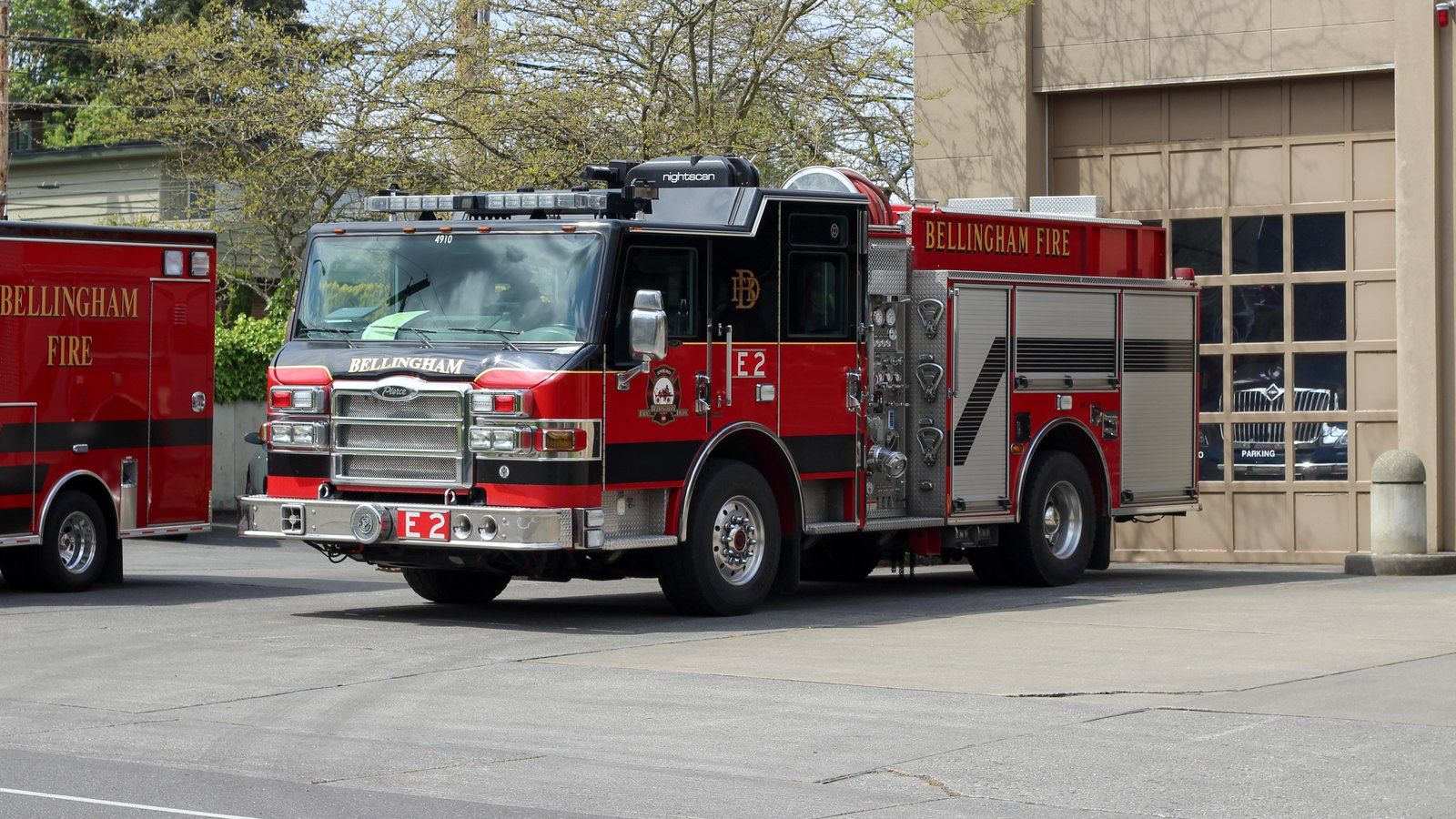
Photo: Alex Smith, CC0 (public domain), via Wikimedia Commons (cropped). Taken in April 2015.

Bellingham's fire department is expensive. It uses about a third of the city's general fund, its main budget. So Mayor Kim Lund proposed moving it into its own district with its own tax, called a regional fire authority. It would have combined the city's fire department with Whatcom County Fire District 8 and was headed for the Feb. 9, 2027 ballot, where it needed 60% to pass (Cascadia Daily News, Nov. 16, 2026).
It would have cost up to $1 for every $1,000 of value, which is $500 a year on a $500,000 home, plus a fire charge based on the building, about $334 a year for an 1,800-square-foot house (Cascadia Daily News). In October I wrote up what the Bellingham fire authority tax would have cost homeowners.
On Nov. 16, 2026, the mayor told the city council she was dropping it, saying "this isn't something the Bellingham community can support at this level right now" (Cascadia Daily News). A community survey didn't back it, and the firefighters' and paramedics' union, IAFF Local 106, voted not to support it (My Bellingham Now, Nov. 17, 2026). The fire authority is withdrawn.
Here's the problem: the city's 2027 budget was built counting on that fire authority. That same night, the council voted to introduce the budget as is. It spends about $8 million of the city's savings, which cuts its emergency reserves about in half, to under $8 million (Cascadia Daily News; City of Bellingham Nov. 16 agenda packet). The budget is introduced, not final: the council has two more meetings before final approval (My Bellingham Now).
Without the fire authority, the city says it has to cut $8 million to $10 million a year "for the foreseeable future." That's about 40 full-time jobs, and it could hit police, firefighters, the library, parks, planning and maintenance (Cascadia Daily News). The mayor expects to come back in early 2027 with specific cuts (My Bellingham Now).
What it means if you own in Bellingham: that fire tax isn't coming in February. But the city's money problem didn't go away. Watch for cuts to city services, and for other tax ideas, like a library levy, which the city has already mentioned as one option (Cascadia Daily News).
3. Blaine and Birch Bay's fire tax jumps 56% in 2027
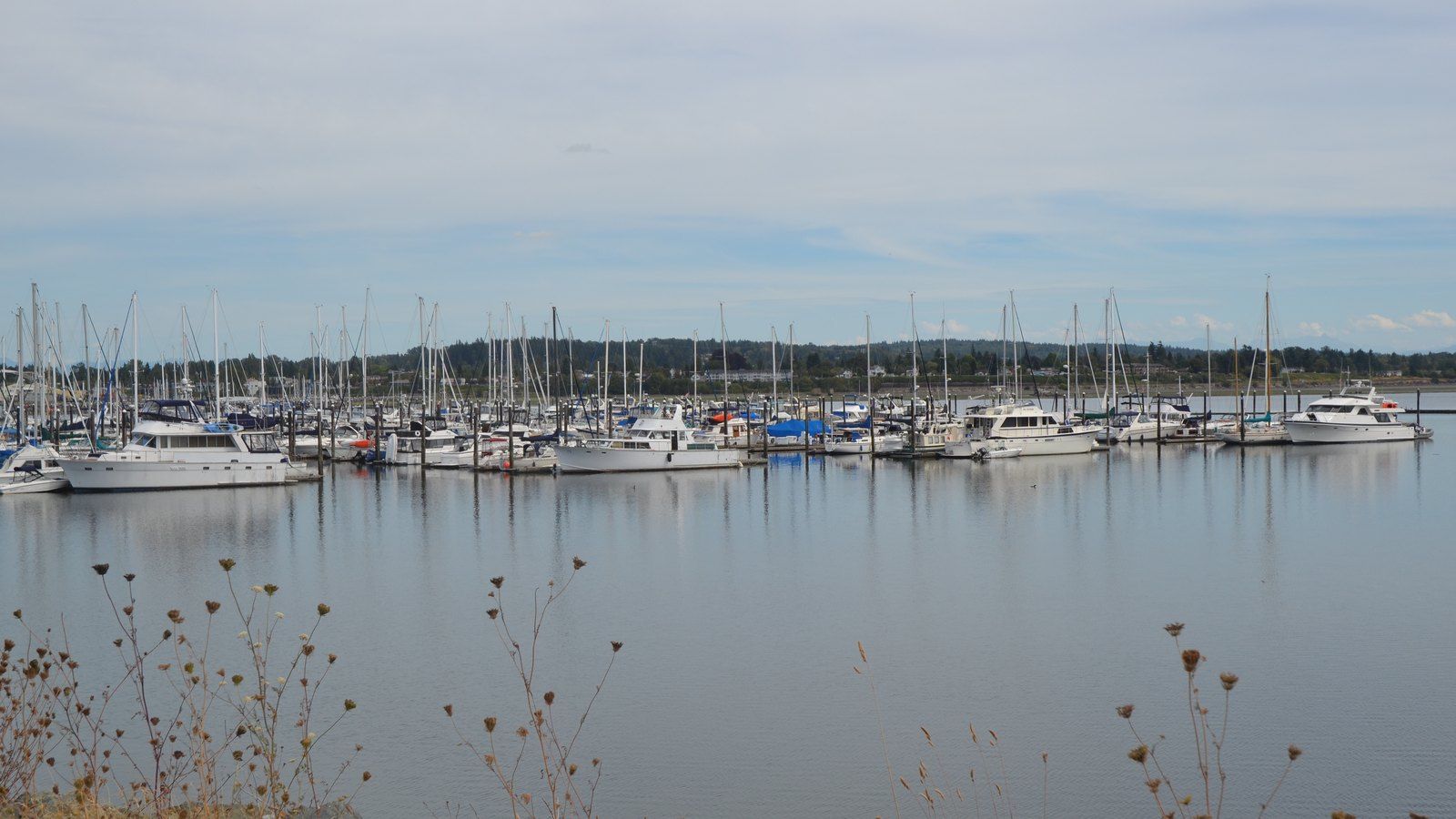
Photo: Terri Stewart, CC BY-SA 2.0, via Flickr (cropped). Semiahmoo in Blaine, August 2017.
North Whatcom Fire and Rescue covers Blaine, Birch Bay, Custer and Semiahmoo. For almost 20 years, its requests to raise its tax kept failing. In August 2026, voters finally said yes (Cascadia Daily News, Aug. 12, 2026).
That kicks in next year. The rate goes from 77 cents to $1.20 for every $1,000 of value. That's about $215 more a year on a $500,000 home, and about $320 more on a $750,000 home (our math). It passed.
What it means for you: if you own in north county, this is probably the biggest change on your 2027 tax bill.
4. Whatcom County's flood tax could jump 48%
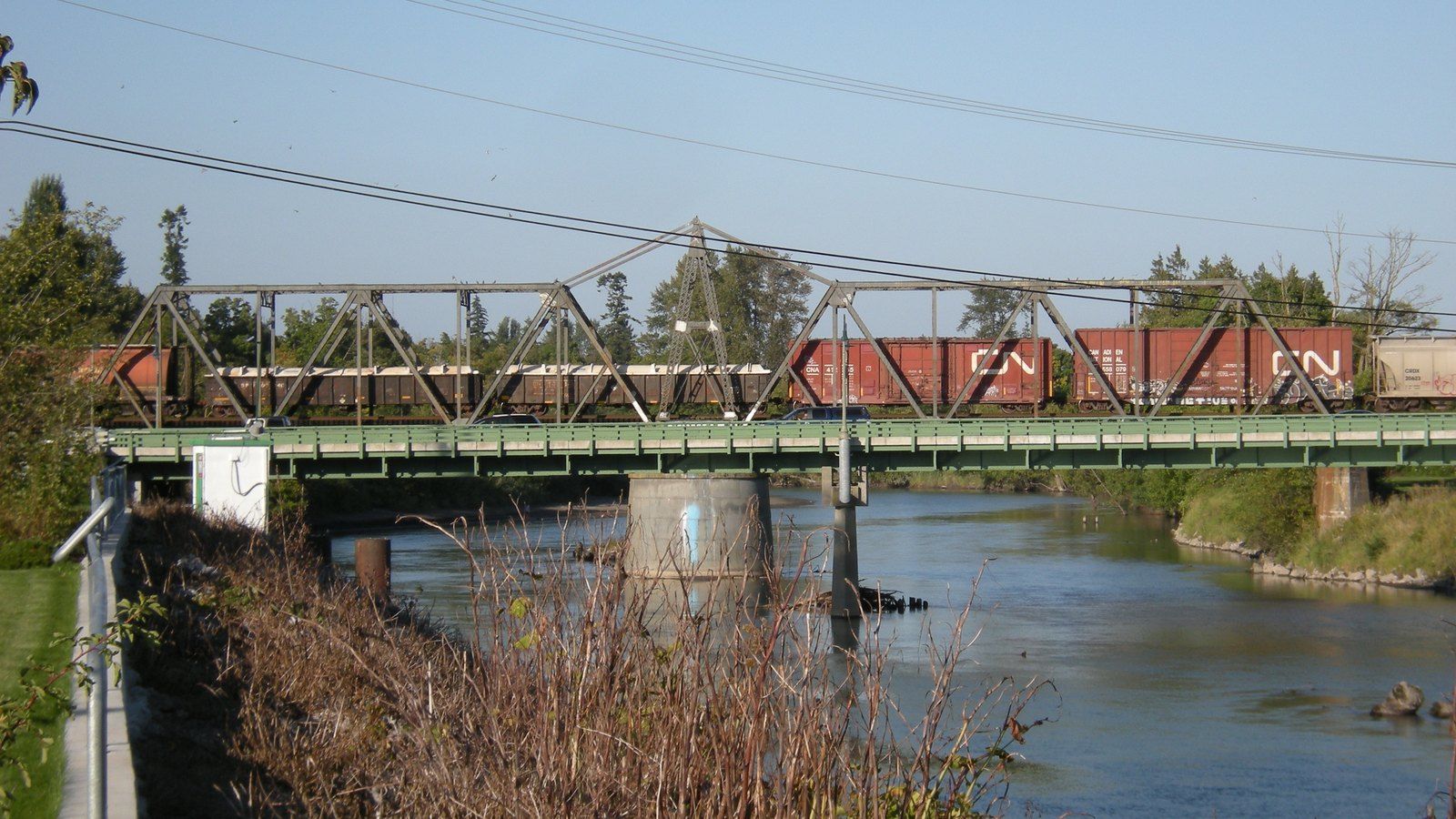
Photo: Joe Mabel, CC BY-SA 3.0, via Wikimedia Commons (cropped). The Nooksack River in Ferndale, September 2008.

The county's flood tax pays for flood projects around the county. Normally a tax like this can only go up 1% a year. But when the county skips those increases, it can save the room for later. That's called banked capacity. Now the county wants to use all of it at once, which would raise the flood tax by about $3.2 million countywide, or 48% (Whatcom County Council, AB2026-800).
The county's Nov. 2 newsletter says all of its new revenue ideas together, including the flood increase and the ferry tax, come to "about $78 per year" on a $500,000 home. But the "Household Impact" table in that same newsletter adds up to $87 a year on a $500,000 home, and $131 on a $750,000 home (Whatcom County Council newsletter, Nov. 2, 2026).
It's proposed, not decided. On Nov. 10, the council also put "no increase" versions of five county taxes on the table, including the flood tax (AB2026-863). Both versions get a public hearing on Nov. 24, and the county has to pass a budget by Dec. 1 (county newsletter).
How your share of the tax is set
Here's how property tax works in Washington. Each district sets how much tax it needs, and the county splits that total by assessed value. So the value the county puts on your home sets your share of the total, not how big the total is (Washington Department of Revenue). And that assessed value isn't the same as what your home would actually sell for.
So if these tax bills have you thinking about selling, text SELL to (360) 312-4410. I'll show you what your home would sell for, and what you'd walk away with.
5. Lynden's city tax increase is failing
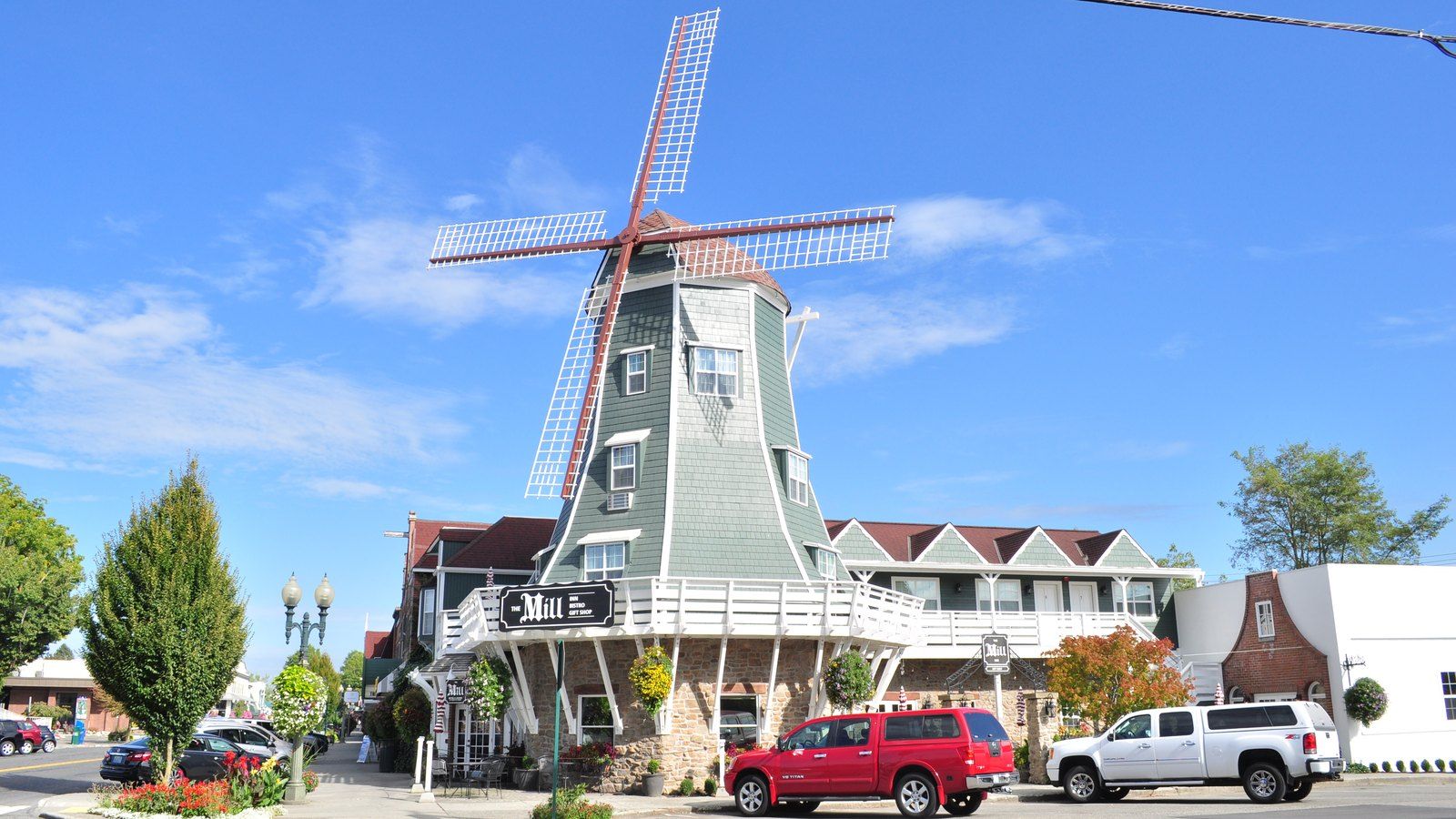
Photo: Joe Mabel, CC BY-SA 4.0, via Wikimedia Commons (cropped). Front Street, September 2017.

On Nov. 3, 2026, Lynden asked voters to raise the city's property tax by 50 cents per $1,000 of value for police, fire and parks (City of Lynden). As of the Nov. 12 count, it's failing with about 64% no (Whatcom County election results). It's unofficial until the county certifies the results on Nov. 24, but it's not close.
Before the vote, the city said a no would mean cutting staff and services in parks, police and fire (City of Lynden). After the vote, Lynden's mayor said, "The citizens have spoken and they said they don't want more taxes" (Cascadia Daily News, Nov. 11, 2026). So the city has to make it work with less.
Lynden's bills are going up, too. The city's proposed budget raises water and stormwater 4% and sewer 10%. For a single-family home, the sewer rate goes from about $68 to about $75 (Lynden Tribune, Oct. 21, 2026). Those are proposed, and I went over them in my October roundup of Whatcom County changes.
Lynden's final budget hearing is Monday, Dec. 7, 2026, at 7 p.m. (City of Lynden Nov. 16 council packet). That's the night to watch for what actually gets cut.
6. Blaine utility bills: about $13 a month more
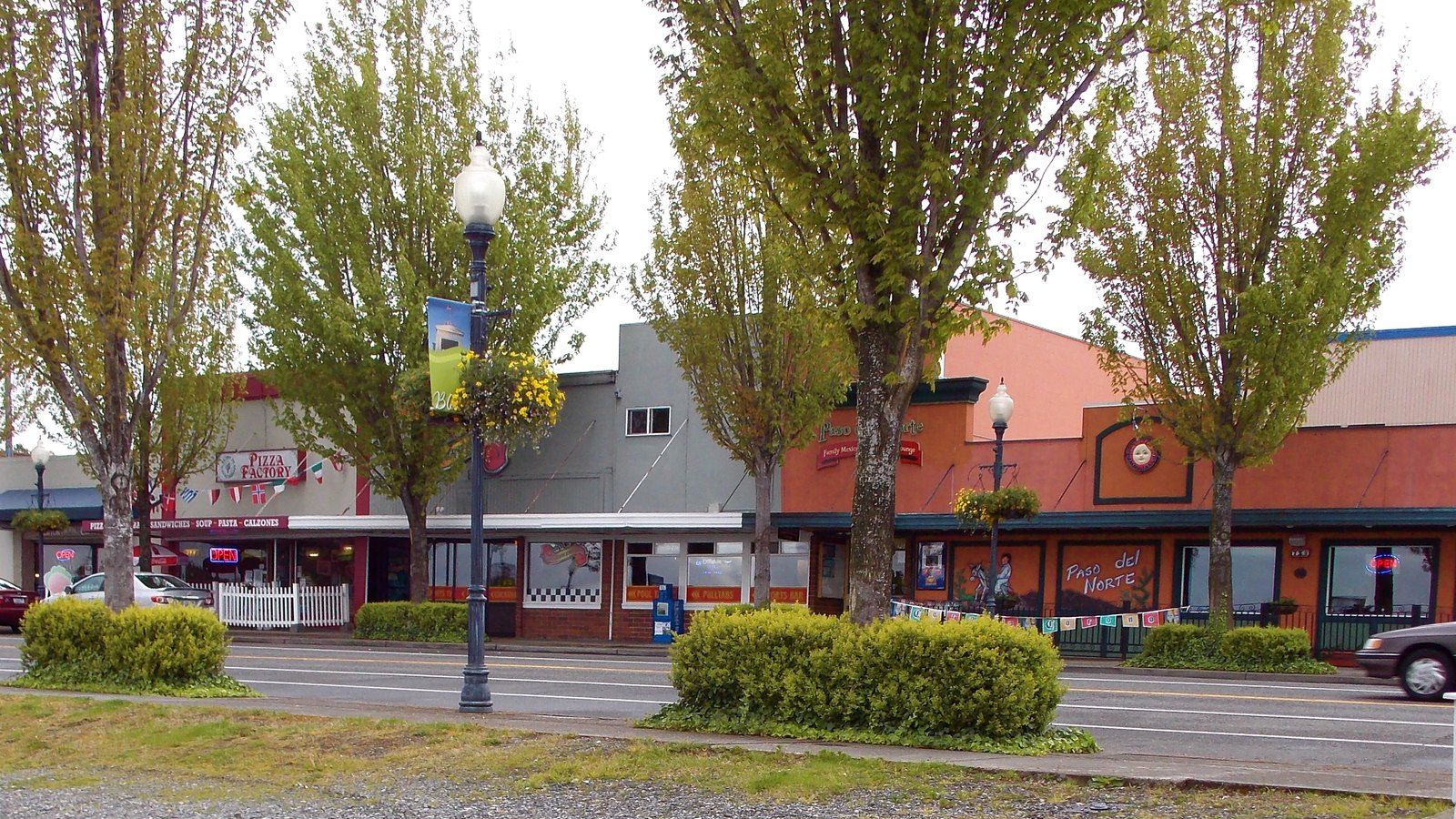
Photo: Larry LaRose, CC BY-SA 3.0, via Wikimedia Commons. Peace Portal Drive, May 2014.

Blaine runs its own electric utility. On Nov. 9, 2026, the city council adopted its 2027 budget unanimously, and it passed the city's 1% property tax increase, 5–1 (The Northern Light, Nov. 12, 2026).
That budget plans for higher utility bills. For the average home, electric, water, sewer and stormwater together come to about $282 a month right now. Next year, the budget plans for about $295. That's about $13 a month, or about $150 a year. The biggest jump is the flat monthly charge on your power bill, which goes from $8.39 to $11, up 31% (City of Blaine 2027 budget, p. 81). As of Nov. 17, I found no separate rate ordinance, so these are the rates the adopted budget plans for.
7. Fire District 1's tax is losing by 25 votes, and Glacier's passed
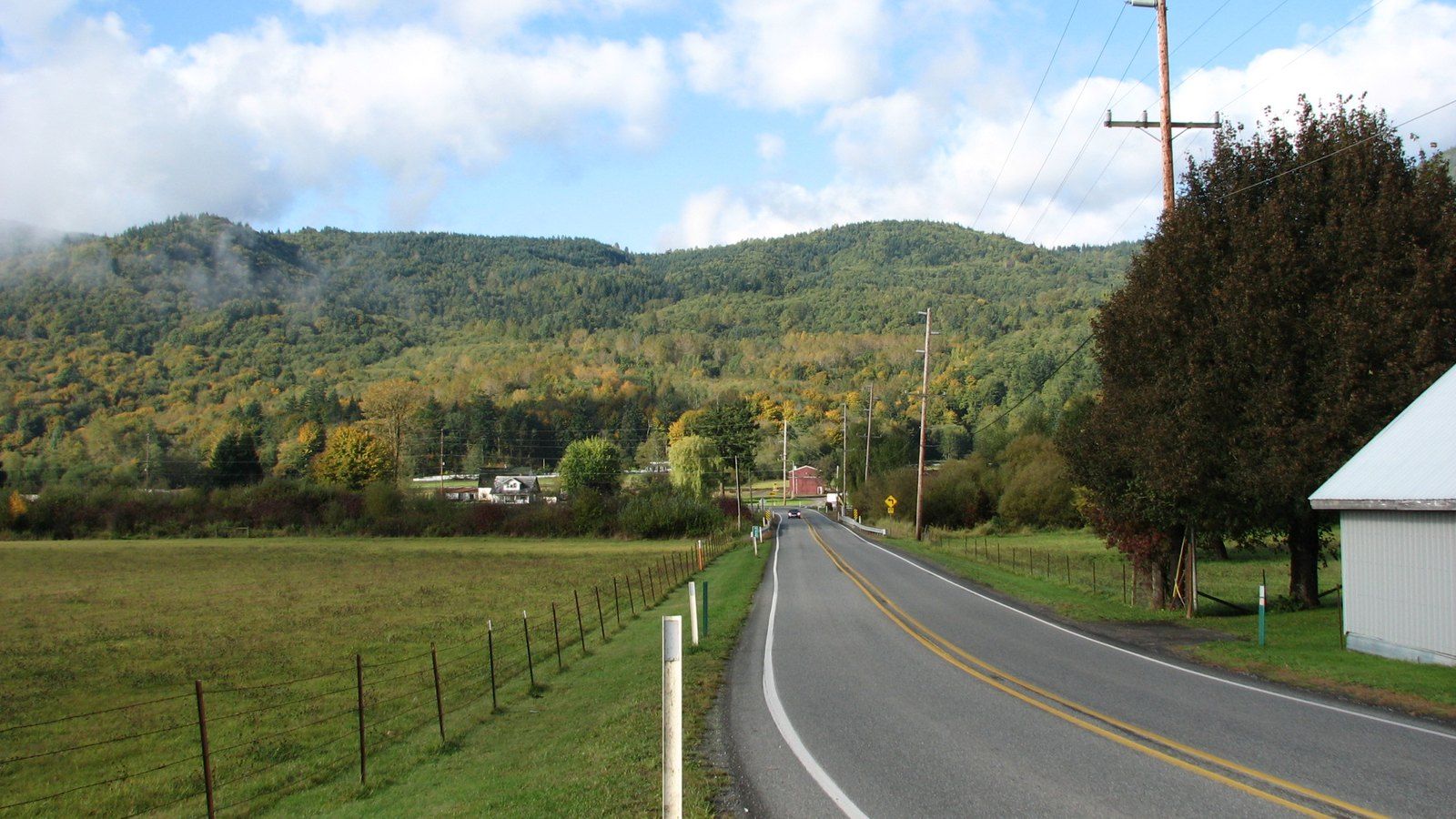
Photo: Steven Pavlov, CC BY-SA 4.0, via Wikimedia Commons (cropped). The Mount Baker Highway (State Route 542), October 2008.

Whatcom County Fire District 1 covers Everson, Nooksack and Deming. It asked voters for a bigger fire tax for the second time this year, after the first try failed in August. It asked to raise the rate from $1.12 to $1.48 for every $1,000 of value (Cascadia Daily News, Oct. 12, 2026). That's about $15 a month more on a $500,000 home (our math).
This time it's even closer. After the Nov. 12 count, it's losing by just 25 votes, 2,673 to 2,648, out of more than 5,000 (Whatcom County election results; Cascadia Daily News, Nov. 13, 2026). Only a handful of ballots were left to count countywide (My Bellingham Now, Nov. 11, 2026). If the count holds, the rate stays where it is. It's failing, unofficial until the county certifies the results on Nov. 24.
And because it's a ballot measure, not a candidate race, there's no automatic recount. Five or more voters would have to ask for one (RCW 29A.64.011).
Further up the Mount Baker Highway, Glacier Fire and Rescue asked its voters too, back in August. About 70% said yes, so its fire tax goes back up to $1.10 for every $1,000 of value (Cascadia Daily News, Aug. 6, 2026). That one passed.
8. Ferndale: no new tax for 2027, but there's a catch
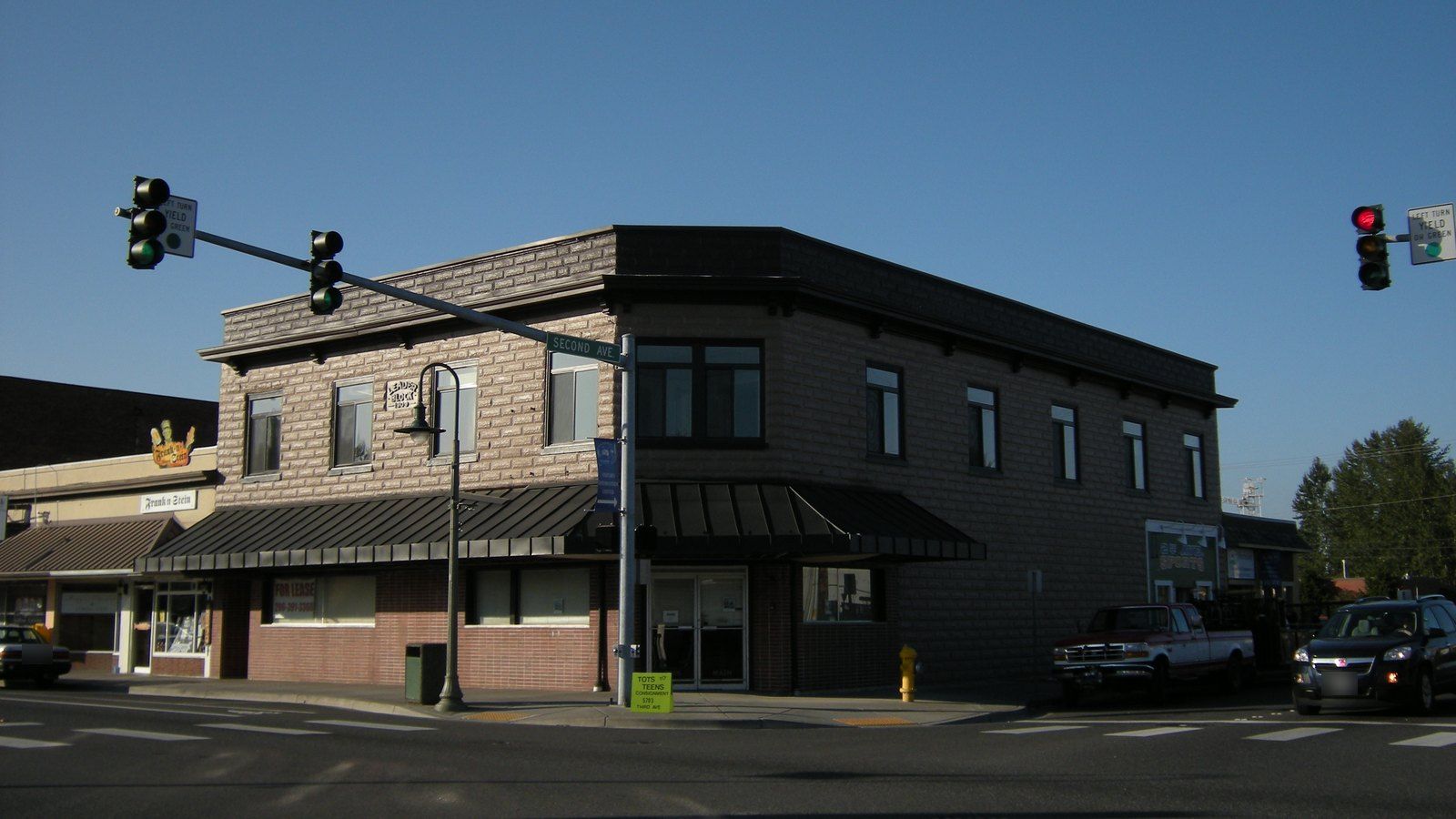
Photo: Joe Mabel, CC BY-SA 3.0, via Wikimedia Commons (cropped; license plates blurred). Main Street, September 2008.

Ferndale's own staff call the city's budget problem a "structural imbalance." In plain English, the city's regular income can't keep up with its regular costs. The city still says "the 2027 budget will be balanced" (City of Ferndale Administrator Report, Nov. 2, 2026).
For 2027, the city says it isn't considering any new tax or fee. It did put a list of options on the table for later, like raising the city's tax on utilities from 8% to 9%, or using property tax increases it skipped in past years. The city says those options are aimed at 2028, and none of them is proposed for 2027 (Ferndale Record, Nov. 11, 2026).
What it means if you own in Ferndale: nothing new from the city hits your bill next year. But keep an eye on the 2028 budget talks, because that's when this could come back.
9. Two county taxes move to their own lines on your bill
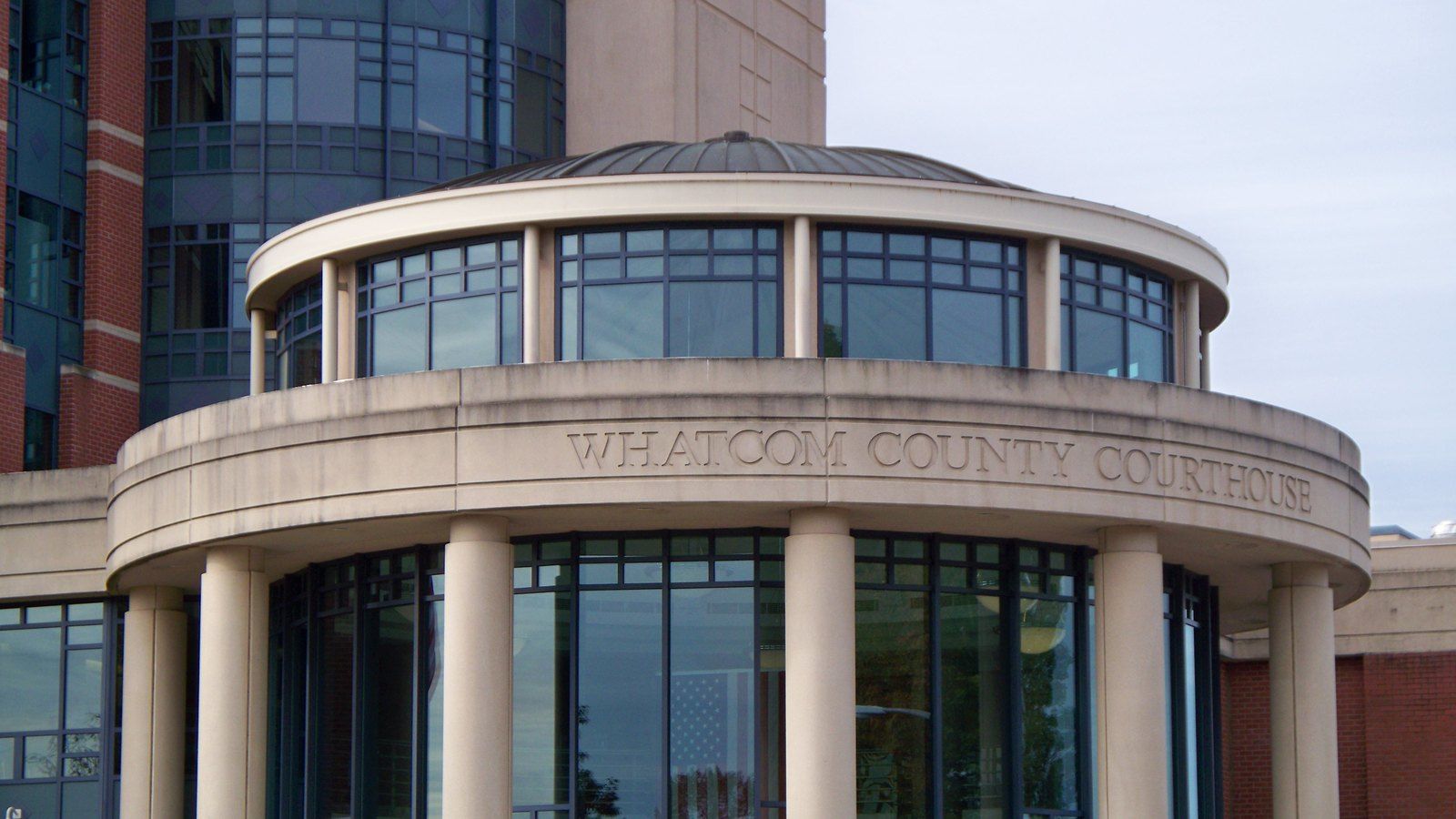
Photo: JanetCaen, CC BY 2.0, via Wikimedia Commons (cropped). Taken in October 2010.

When your 2027 tax bill shows up, it might look different. You could see two new lines: one for mental health and developmental disability services, and one for veterans' assistance. These aren't brand-new services. That money used to come out of the county's main tax. A new state law, ESHB 2442, now lets the county pull them out and list them on their own (Whatcom County Council, AB2026-803 and AB2026-805).
Together they're about 3.6 cents per $1,000 of value, or about $18 a year on a $500,000 home (our math). That's the "General Fund Capacity Expansion" line in the county's table from section 4. Why does it matter? Pulling them out frees up about $2.3 million of room in the county's main tax, and the county plans to use that room in next year's budget (Whatcom County Council finance committee, draft minutes, Nov. 10, 2026). Both are proposed, and the council votes Nov. 24.
10. Everson added a $3 monthly stormwater fee
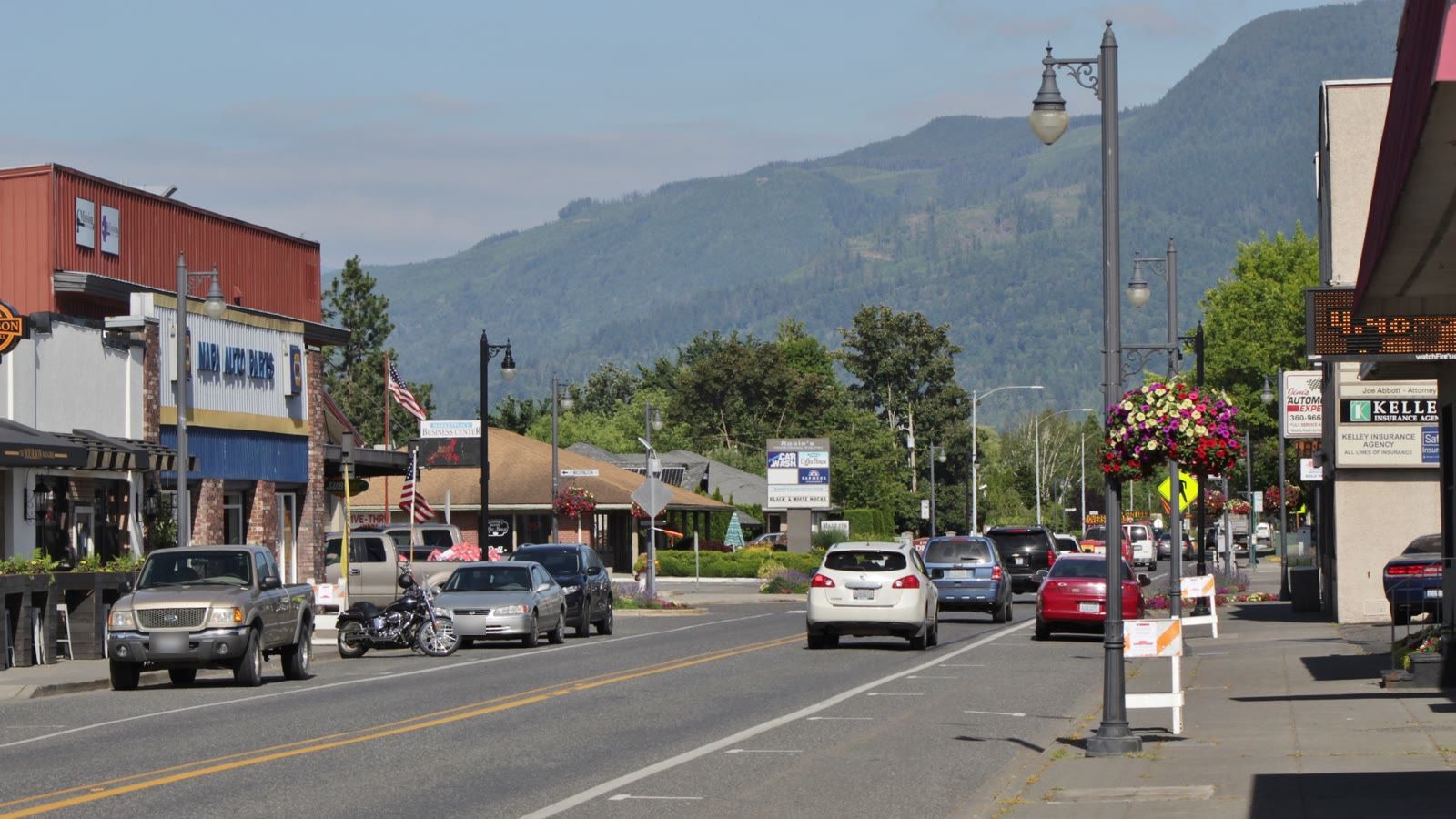
Photo: SounderBruce, CC BY-SA 4.0, via Wikimedia Commons (cropped; license plates blurred). Downtown Everson, June 2020.

On Nov. 10, 2026, Everson's city council voted 4–1 to create a new stormwater fee to take care of the city's storm drains (Lynden Tribune, Nov. 11, 2026). It's $3 a month on every home, starting Jan. 1, 2027, and it first shows up on the February bill. Homes in Blankers Crossing pay $2 a month more (City of Everson stormwater memo). It's adopted.
That might not be all. The city also proposed raising water rates 8% to 10% and sewer 5%, about $6 a month on a typical bill. The council pushed that decision to its next meeting (City of Everson water and sewer memo; Lynden Tribune). And Everson's share of your property tax is proposed to go up about $32 a year on a $500,000 home (City of Everson levy memo). Both are proposed.
11. Sudden Valley and Geneva: water goes up, sewer stays frozen
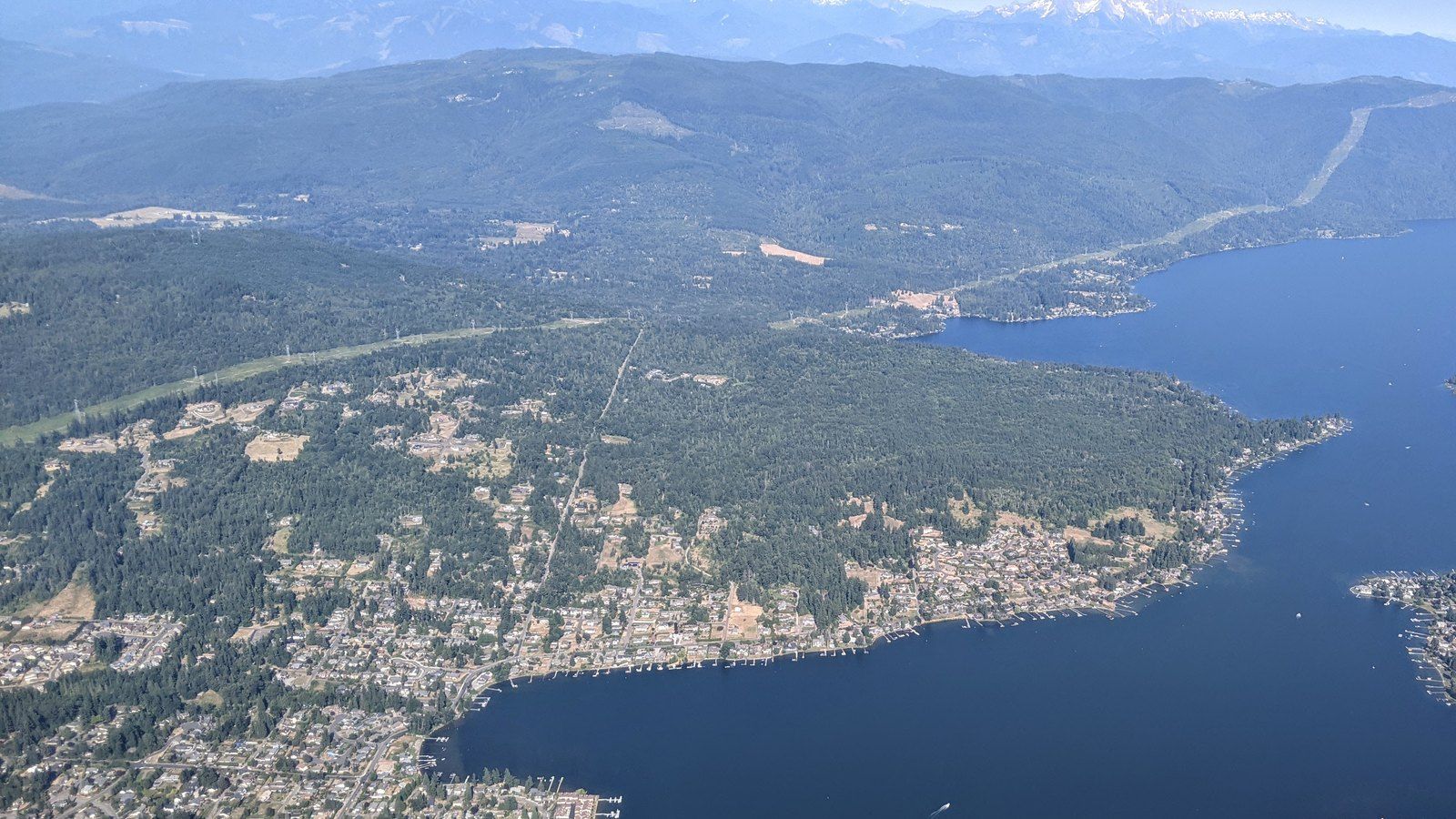
Photo: Dicklyon, CC BY-SA 4.0, via Wikimedia Commons (cropped). Lake Whatcom, July 2021.

Around Lake Whatcom, a lot of homes don't get their water from the city. They get it from the Lake Whatcom Water and Sewer District, which covers Sudden Valley, Geneva and the North Shore. In July 2026, the district adopted new rates for 2027 (Lake Whatcom Water and Sewer District).
The water base rate goes up $4.50 on each two-month bill, about $2.25 a month. Now the good part: the sewer rate stays frozen where it is all the way through 2031. The new rates show up on bills starting March 1, 2027 in Geneva and on the North Shore, and April 1 in Sudden Valley (Lake Whatcom Water and Sewer District). It's a small increase, and one bill you won't have to worry about for a while.
12. Blaine schools will ask voters for $62 million
Blaine School District will ask voters to approve a $62.4 million bond on Feb. 9, 2027. It would pay for a new Blaine Middle School and the Pipeline fields, and it needs 60% to pass. The district estimates it would cost about $217 a year on an average home of about $516,000, starting in 2028 (Blaine School District Resolution 2526-17 and the board's Aug. 24, 2026 minutes). It's on the ballot, and voters decide.
As of Nov. 17, it was the only school measure I'd found headed for the February ballot in Whatcom County.
13. Garbage bills go up in Nooksack, and Lynden could be next
Nooksack Valley Disposal picks up the garbage in Nooksack and Lynden, and its cost to dump that garbage is going up 14.7%. So the company asked both cities for a raise (company letter in the City of Lynden Nov. 16 council packet).
Nooksack approved it. Starting in January 2027, the average home there pays about $1.47 a month more. Nooksack also passed a 1% property tax increase for 2027 (Lynden Tribune, Nov. 4, 2026). Lynden is next: it has a hearing on the same garbage increase on Dec. 7, 2026 (City of Lynden). In Lynden, it's proposed.
14. Own a Bellingham rental? Voters passed a rent-software ban
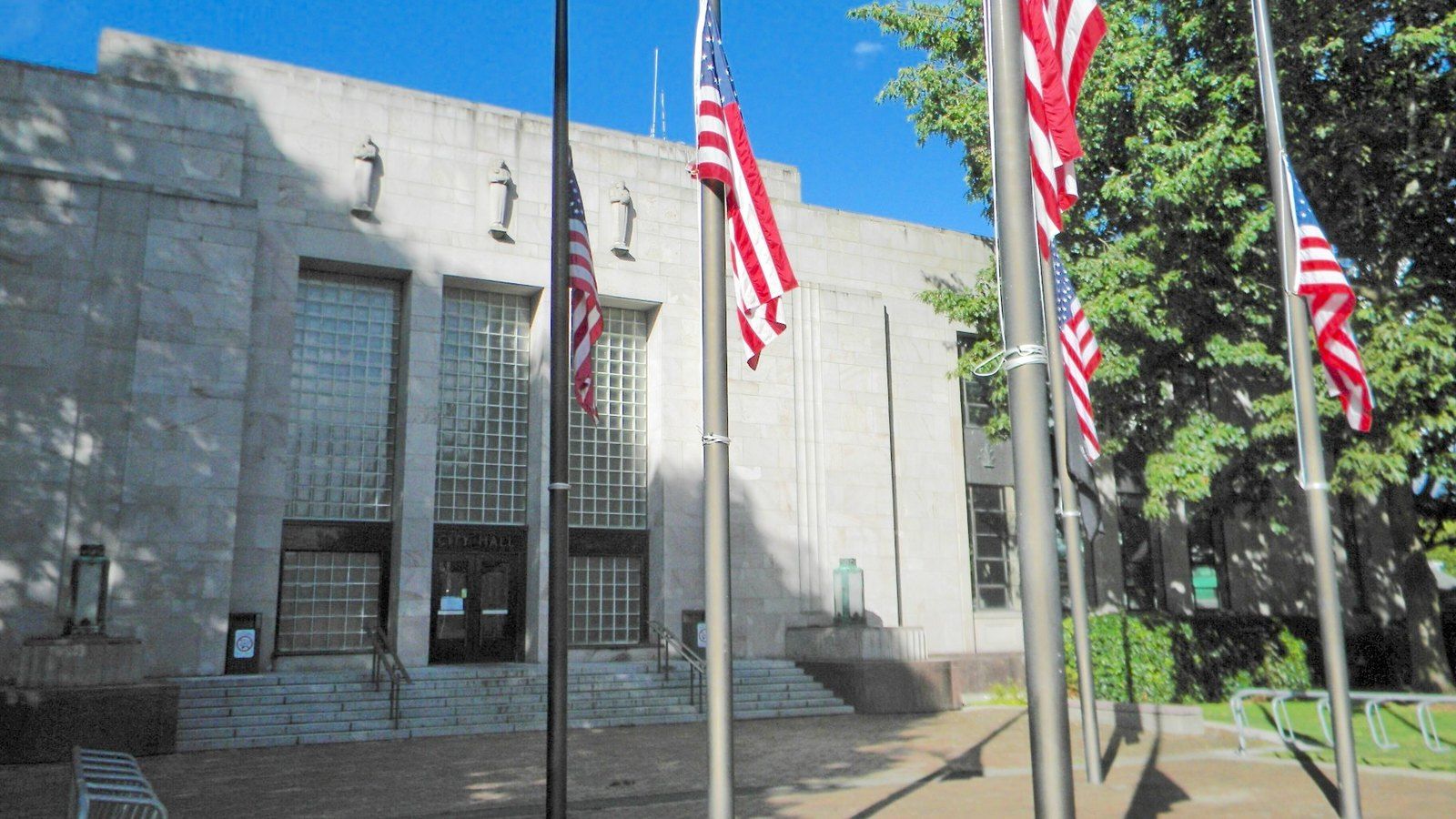
Photo: Jon Roanhaus, CC BY-SA 3.0, via Wikimedia Commons (cropped). Bellingham City Hall, September 2013.

On Nov. 3, 2026, Bellingham voters passed Initiative 26-01, a ban on rent-setting software, with about 87% yes as of the Nov. 12 count (Whatcom County election results). That count is unofficial until it's certified on Nov. 24.
It's not a rent cap. If you own a rental, you can still set your own rent. What's banned is landlords agreeing with each other on rents, and paying for software or a service that recommends rents to several landlords at once. Short-term rentals and hotels don't count. Tenants can sue, for up to $5,000 per violation (initiative text, via its sponsor, Community First Whatcom).
Under the city charter, it becomes law once the vote is certified on Nov. 24, and it has to be published within 10 days after that (Bellingham City Charter 10.06).
15. Birch Bay's stormwater and water bills are going up
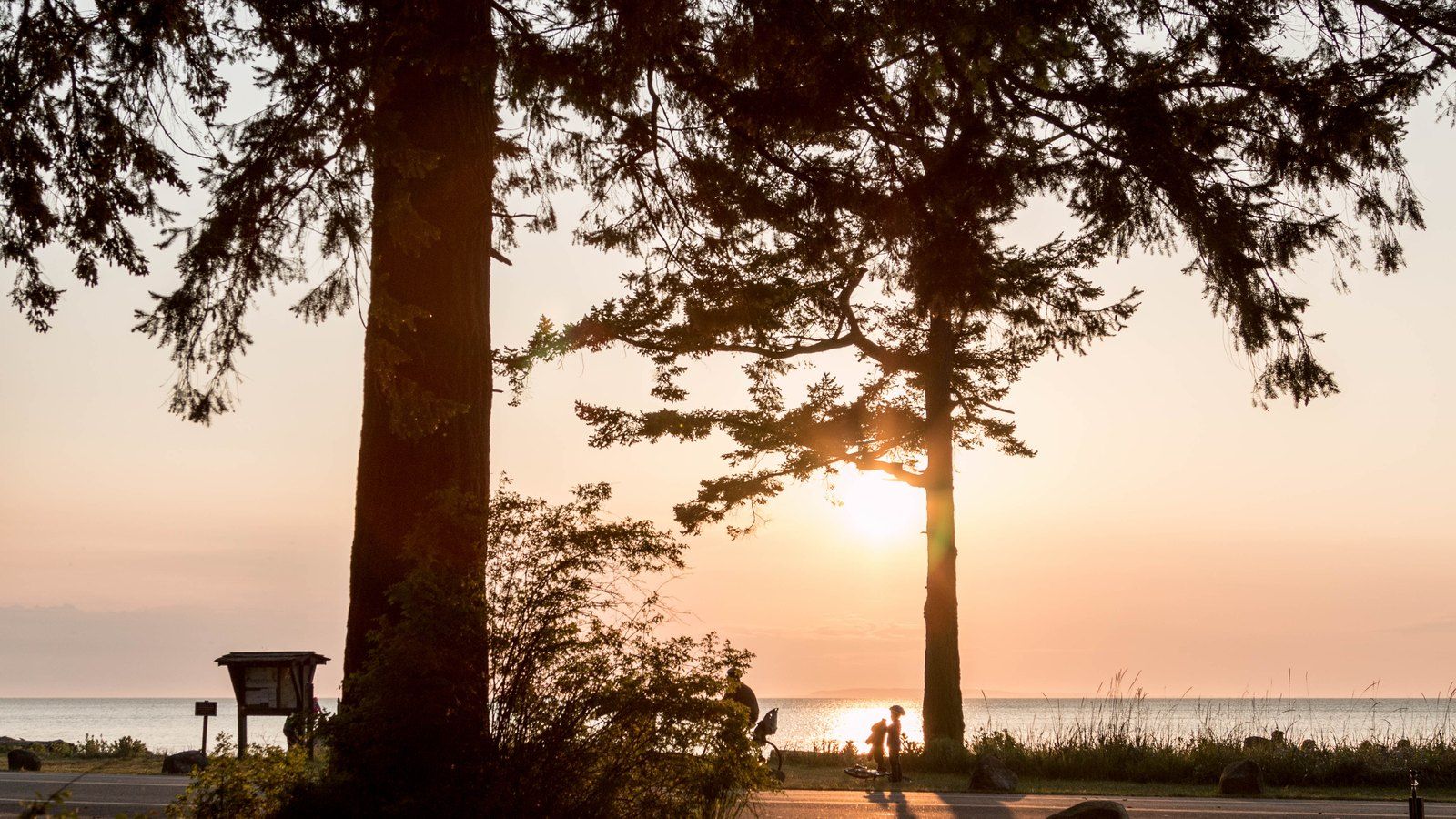
Photo: James Abbott, CC BY 2.0, via Wikimedia Commons (cropped). Birch Bay State Park, May 2015.

Birch Bay isn't a city, so a lot of what owners pay goes to special districts instead. Two of those bills go up next year.
First, there's a county stormwater fee just for Birch Bay, called BBWARM. The county council set it back in June 2024, with an increase already built in for 2027. For the average single-family home, it goes from $136.59 a year in 2026 to $163.90 in 2027, about $27 more (The Northern Light, June 19, 2024). That's adopted.
Second, Birch Bay Water and Sewer District is setting its 2027 rates. Its board said it wants the increase under 5%, about $4.50 a month more on a typical bill (Birch Bay Water and Sewer District). The final rates hadn't been posted as of Nov. 17, so they're proposed.
16. Sumas raised its tax, and its budget is still about $1 million short
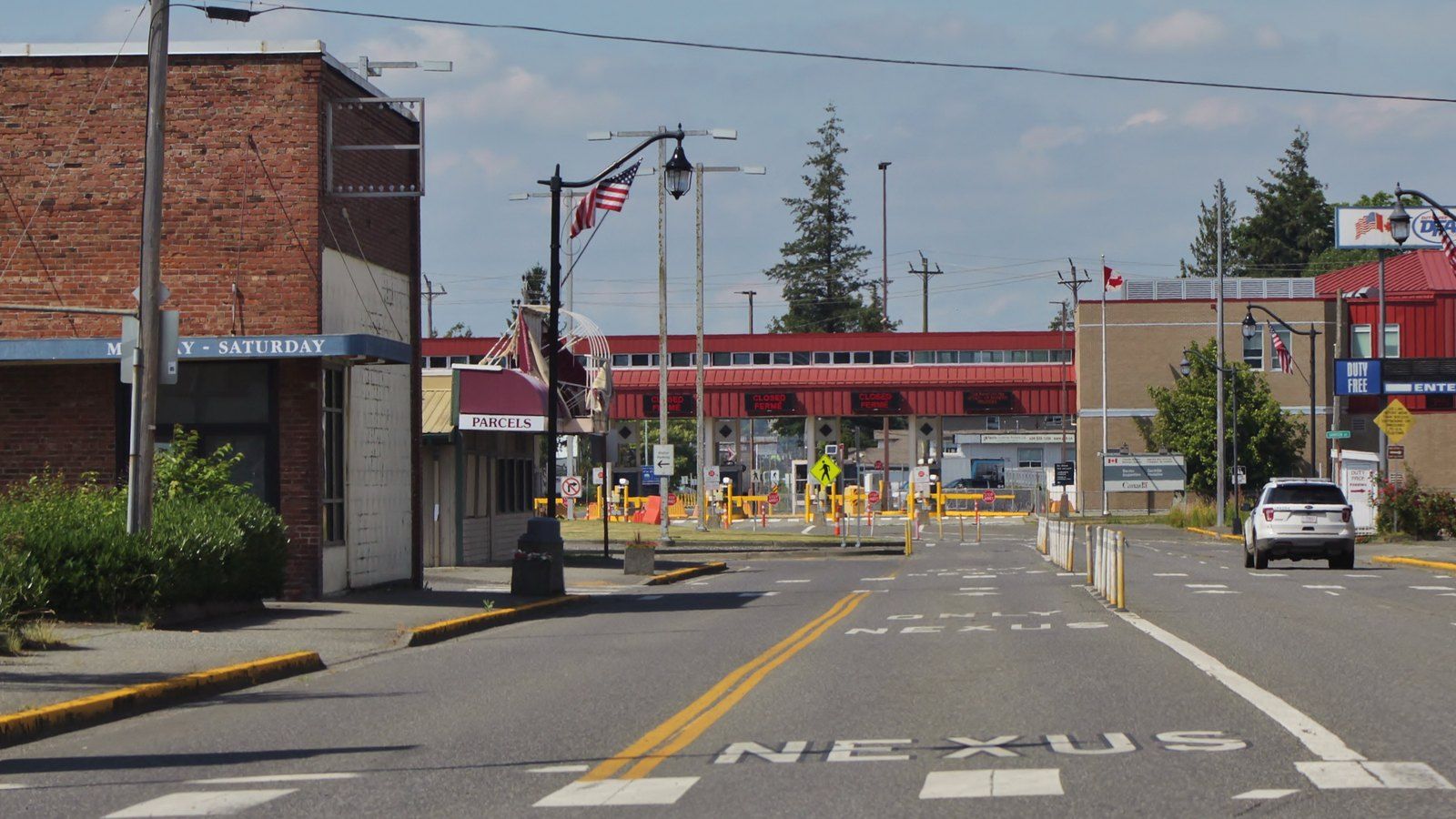
Photo: SounderBruce, CC BY-SA 4.0, via Wikimedia Commons (cropped). Downtown Sumas, June 2020.

On Nov. 9, 2026, the Sumas City Council approved a 1% property tax increase for 2027. It brings in about $7,500 more. The council also approved new water and sewer rates, 3–1, and most of the water increase lands on water associations and Puget Sound Energy, not on residents (Lynden Tribune, Nov. 10, 2026).
The bigger issue is the budget. The draft spends about $10 million and brings in about $9 million, and one council member said "the current budget is not sustainable" (Lynden Tribune). As of Nov. 17, the city hadn't said how it will close that gap. The final budget hearing is Nov. 23, 2026.
17. Building outside city limits could cost more
Outside the cities, your building permits go through the county, and the county's fee list for 2027 has a big change. When someone develops land in the county, county engineers review the plans. "For years, the County chose not to raise development review fees." Now it's proposing to raise them about 168% on average. And for some projects, the stormwater and traffic reviews would be charged by the hour (Whatcom County Public Works memo).
It's proposed, and the council votes on the whole fee list on Nov. 24. Back in October, I looked at what the new fees could add to building a house in my roundup of October's Whatcom County changes.
18. Gas and power bills could go up
Around here, your gas company is probably Cascade Natural Gas. Cascade has proposed a two-year rate increase. The first part is about $5.80 a month for a typical home, starting May 1, 2027. The flat monthly charge would double, from $6 to $12. Then it goes up again in 2028. It's not approved: the state holds a public hearing on it on Jan. 12, 2027 (Cascade Natural Gas, Nov. 2, 2026).
Your power bill could go up too. If Puget Sound Energy is your power company, it has asked the state for an increase of about $28 a month for a typical home, starting early next year, then about $7 more in 2028 and almost $16 more in 2029 (Puget Sound Energy). That's requested, not approved, and the state can change those numbers.
And if you live in Bellingham, the city's water, sewer and stormwater rates go up on Jan. 1, 2027 (City of Bellingham 2027 rates). I covered PSE's request and those city rates back in October.
19. Some good news on your 2027 tax bill
Washington has a property tax break for homeowners who are 61 or older, or living with a disability. Starting with 2027 taxes, Whatcom County has new income limits: if your household makes $72,000 a year or less, you could qualify (Washington Department of Revenue). Depending on your income, it can take a big chunk off your property tax bill. You apply through the Whatcom County Assessor.
There's a little more good news. The state's school tax, the part of your bill that goes to schools across Washington, is going down. In 2027, the state sets it at about $2.08 for every $1,000 of value. In 2026, it was about $2.10. That's about $10 a year less on a $500,000 home, if your value stays the same (Washington Department of Revenue; our math).
And as of Nov. 17, the Port of Bellingham wasn't planning to raise its tax for 2027. Its 2027 budget and tax levy were on the agenda for that night's meeting (Port of Bellingham agenda).
20. Selling in 2027? The excise tax gets a little better
When you sell a home in Washington, you pay the state's real estate excise tax. It comes out of your proceeds at closing. The rate goes up in steps, based on your sale price.
On Jan. 1, 2027, the lowest step gets bigger. The 1.1% rate will cover the first $551,000 of the price, instead of the first $525,000. The rates themselves don't change (Washington Department of Revenue). By my math, that saves about $47 on any sale over $551,000, like a $750,000 sale. It's not much, but it's one tax that's going the right way.
What this means for Whatcom homeowners
These 20 changes are at very different stages, and the difference matters:
- Already decided: the North Whatcom Fire and Glacier Fire increases, Blaine's budget and 1% levy, Everson's $3 stormwater fee, Lake Whatcom Water and Sewer's 2027 rates, Nooksack's garbage increase and 1% levy, Sumas's 1% levy and water and sewer rates, Birch Bay's BBWARM fee, and the state's new school tax rate, excise tax steps and senior and disability income limits.
- Unofficial until Nov. 24: the Lynden tax increase (failing), the Fire District 1 tax increase (failing by 25 votes) and Bellingham's rent-software ban (passed).
- Proposed, with a county council vote on Nov. 24: the ferry tax, the 48% flood tax increase, the two new tax-bill lines and the county's review fees.
- Proposed elsewhere: Bellingham's budget (introduced, not final), Everson's water, sewer and city tax increases, Lynden's utility and garbage increases (hearing Dec. 7), Birch Bay Water and Sewer's rates, the Sumas budget (hearing Nov. 23), and the Cascade Natural Gas and PSE requests.
- On the Feb. 9, 2027 ballot: the Blaine schools bond.
- Dropped or nothing new: Bellingham's fire authority (withdrawn Nov. 16) and Ferndale (no new tax or fee for 2027).
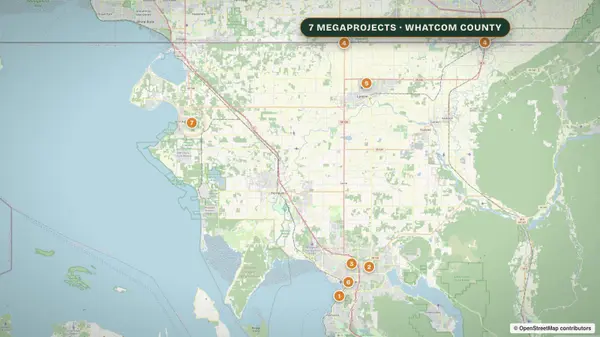
The big date to watch is Nov. 24, when the county votes on its taxes and the election results become official. And if you want to see what's being built across the county, read my Whatcom County megaprojects update for November 2026.
Frequently asked questions
What new taxes are coming to Whatcom County in 2027?
As of Nov. 17, 2026: a proposed countywide ferry tax (9 cents per $1,000 of value), a proposed 48% flood tax increase, two county taxes moving to their own lines on the bill, a higher North Whatcom Fire tax in Blaine and Birch Bay ($0.77 to $1.20 per $1,000), a higher Glacier Fire tax, Everson's new $3-a-month stormwater fee, utility increases in Blaine, Lynden, Everson, Birch Bay and around Lake Whatcom (some adopted, some still proposed), garbage increases in Nooksack (and proposed in Lynden), and proposed gas and power increases. The county council votes on its part on Nov. 24.
How much is the new Whatcom County ferry tax?
The proposed rate is 9 cents per $1,000 of assessed value, about $45 a year on a $500,000 home and about $68 on a $750,000 home (our math). It would raise $5.7 million in 2027 for the Lummi Island ferry and a new boat. State law lets a ferry district charge up to 10 cents per $1,000 without a public vote. It's proposed, and the county council takes it up Nov. 24, 2026 (Whatcom County Council, AB2026-813).
How much will the county's new revenue measures cost on a $500,000 home?
The county's Nov. 2, 2026 newsletter says the flood increase, the general fund option and the ferry tax together come to "about $78 per year" on a $500,000 home. The "Household Impact" table in the same newsletter adds up to $87 a year on a $500,000 home and $131 on a $750,000 home. None of it is final until the Nov. 24 vote, and the council also has "no increase" versions of five county taxes on the table.
Is Bellingham's regional fire authority on the February ballot?
No. Mayor Kim Lund dropped it on Nov. 16, 2026. The city's 2027 budget was built counting on it, so the city now says it has to cut $8 million to $10 million a year, about 40 full-time jobs (Cascadia Daily News). The budget was introduced as is and isn't final yet.
Is Bellingham's rent-software ban a rent cap?
No. Landlords can still set their own rents. Initiative 26-01 bans landlords agreeing with each other on rents and paying for software or services that recommend rents to several landlords at once. It passed with about 87% yes in the unofficial Nov. 12 count and becomes law once the vote is certified on Nov. 24, 2026.
Thinking about selling?
Thinking about selling? Text SELL to (360) 312-4410 and I'll show you what your home would sell for and what you'd walk away with.
Book a call: https://tommymutchler.com/contact
Tommy Mutchler, Managing Broker | Real Broker LLC
Photos: Gordon Leggett, Alex Smith, Terri Stewart, Joe Mabel, Larry LaRose, Steven Pavlov, JanetCaen, SounderBruce, Dicklyon, Jon Roanhaus and James Abbott, via Wikimedia Commons and Flickr under CC0, CC BY and CC BY-SA licenses. Each photo's credit and license is right under it.
Categories
Recent Posts
Local Bellingham Agent
Tommy Mutchler
Thinking about a move in Whatcom County?
I'll help you stay competitive and make your next move feel easy. Book a free, no-pressure Home Goals call and leave with a clear plan.
Connect With Tommy15 minutes • No obligation
GET MORE INFORMATION